The Cradle of French Kings: From Fortresses to Pleasure Palaces
The Val de Loire occupies a unique position in European history. For nearly two centuries, between the height of the Hundred Years' War in the early 15th century and the return of the royal court to Paris and Versailles under Louis XIV, this fertile river basin served as the political nerve center of the Kingdom of France.
When English armies occupied Paris and northern France following the disastrous French defeat at Agincourt in 1415, the Dauphin Charles—later King Charles VII—retreated south to the fortress of Chinon. It was here in 1429 that an inspired peasant girl named Joan of Arc arrived to recognize the uncrowned king, galvanizing the French campaign to expel the English invaders. With peace restored, French monarchs remained captivated by the gentle climate, navigable waterways, abundant hunting forests, and white tufa limestone quarries of the Loire basin.
The Italian Wars initiated by Charles VIII and Louis XII at the turn of the 16th century triggered a profound architectural metamorphosis. Returning French sovereigns and noble courtiers brought back Italian sculptors, painters, and hydraulic engineers, who transformed brooding medieval defense fortresses—characterized by thick ramparts, machicolations, and narrow arrow slits—into luminous, symmetrical Renaissance pleasure estates. Massive defensive stone keeps gave way to expansive mullioned glass windows, monumental openwork spiral staircases, Italianate arcades, and formal parterre gardens stepping down to river banks.
Geographical Divisions of the Loire Valley
Stretching more than 280 kilometers from Sully-sur-Loire in the east to Chalonnes-sur-Loire in the west, the UNESCO-inscribed World Heritage zone spans three historical provinces across central France:
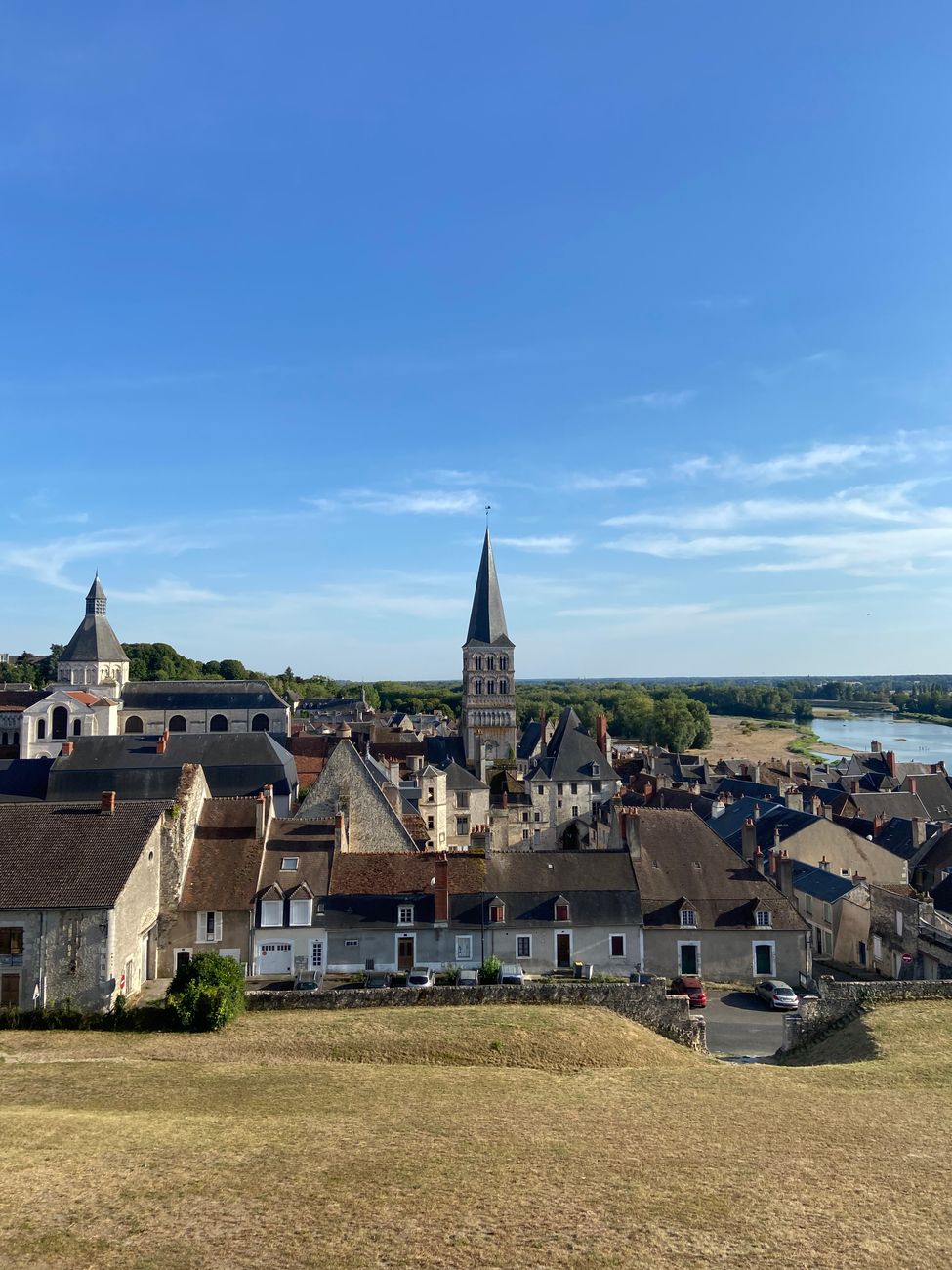
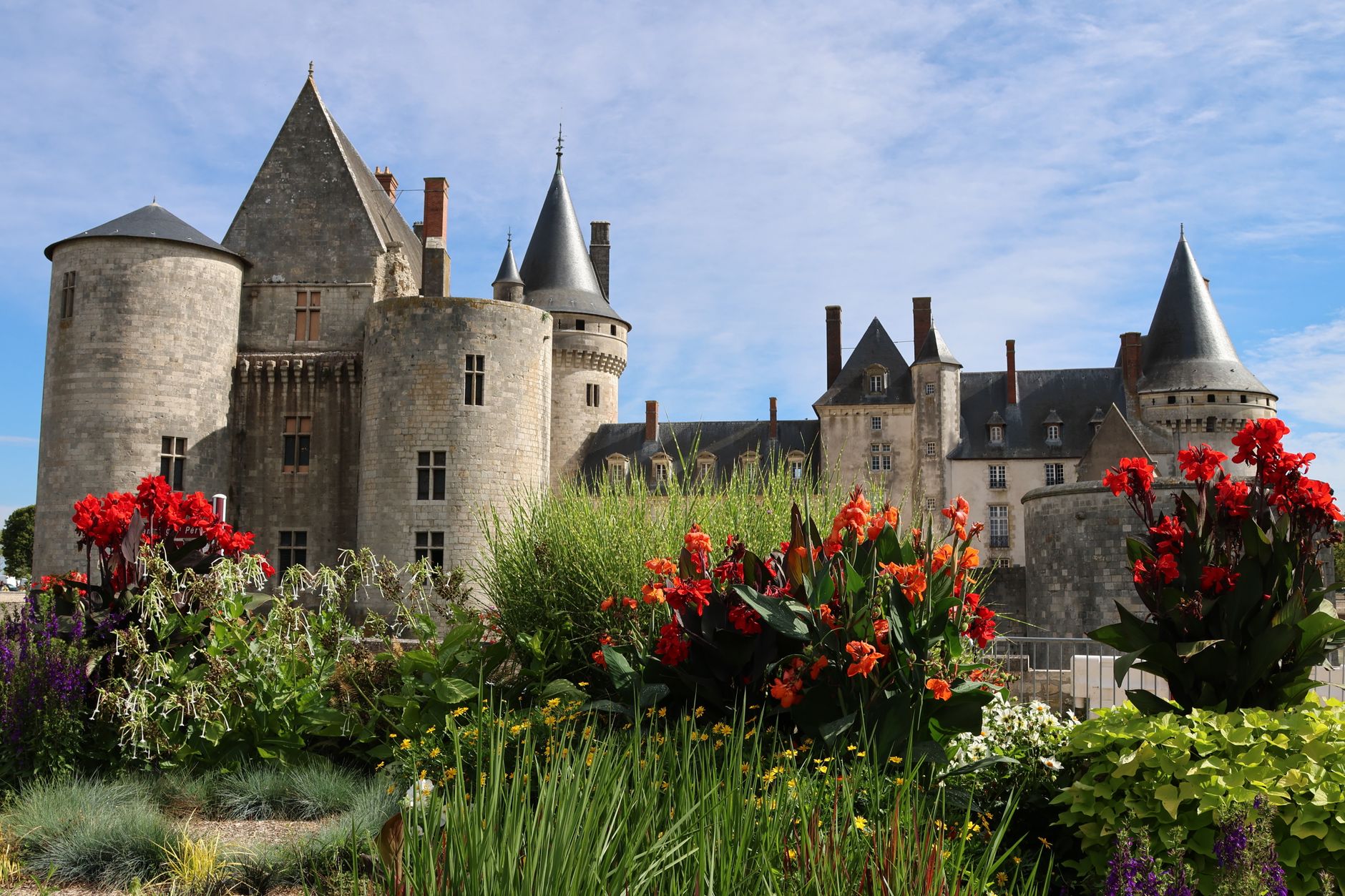
- The Orléanais & Sologne: The eastern gateway surrounding the city of Orléans and the vast hunting forests of the Sologne. Anchored by the titanic royal hunting estate of Château de Chambord, alongside the intimate sporting château of Cheverny and the medieval ramparts of Sully-sur-Loire.
- The Touraine: Known historically as the "Garden of France," Touraine forms the majestic core of the châteaux trail. Spanning the limestone bluffs between Blois, Amboise, and Tours, this district contains the highest density of flagship monuments: Château de Chenonceau, Château Royal de Blois, Château d'Amboise, Clos Lucé, and Château de Villandry. Touraine is also celebrated for the limestone cliff cellars of Vouvray and Chinon.
- The Anjou: The western frontier centered around the historic city of Angers and Saumur. Famous for dark schist stone fortresses, the massive 17-tower stronghold of Château d'Angers (home to the monumental 14th-century Apocalypse Tapestry), the royal tombs of Eleanor of Aquitaine and Richard the Lionheart at Fontevraud Abbey, and sparkling Saumur brut wines.
The Six Flagship Royal Châteaux
Click any estate below for comprehensive visitor briefings covering admission rates, staircase architecture, secret viewpoints, and parking secrets.
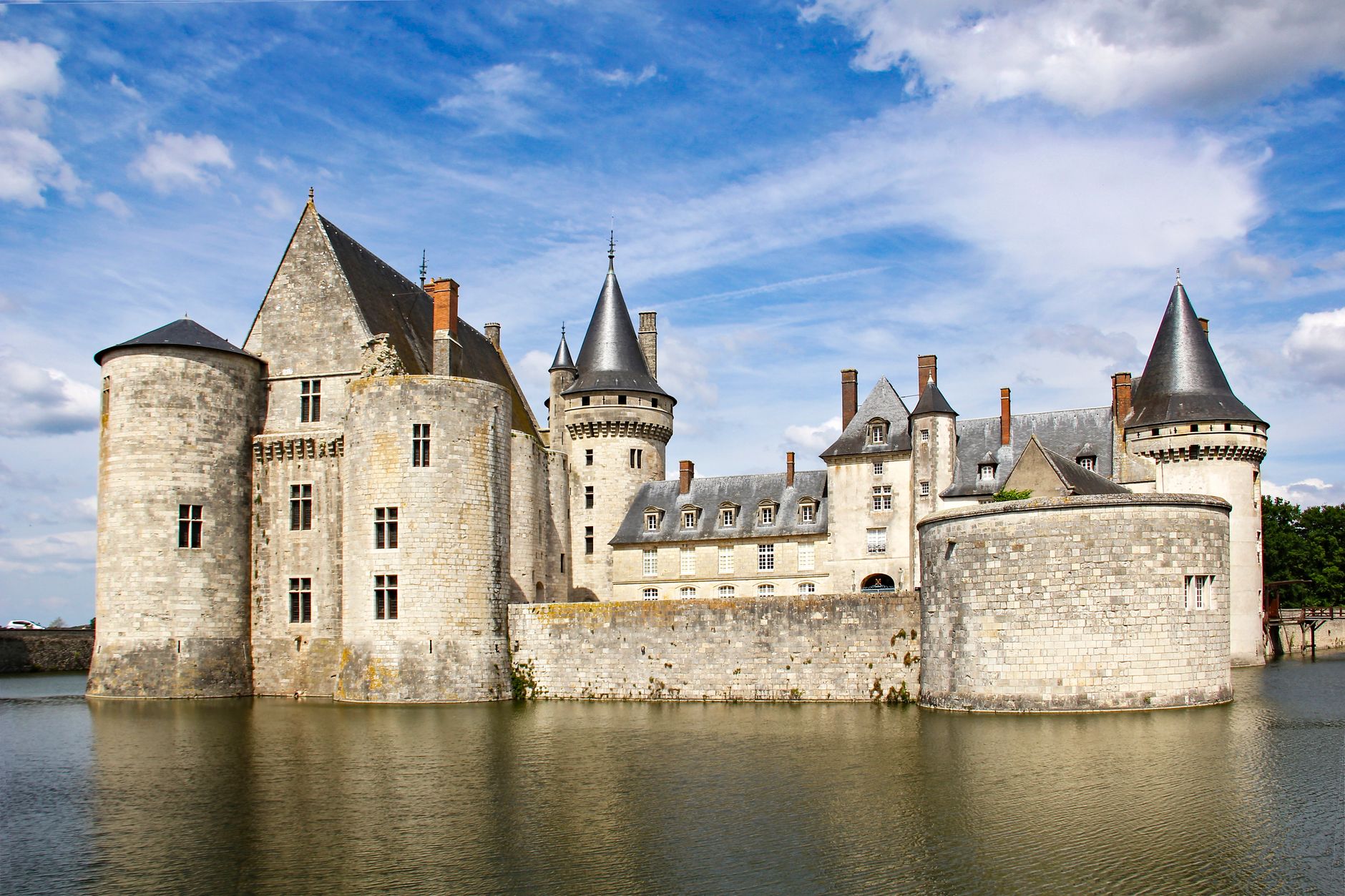
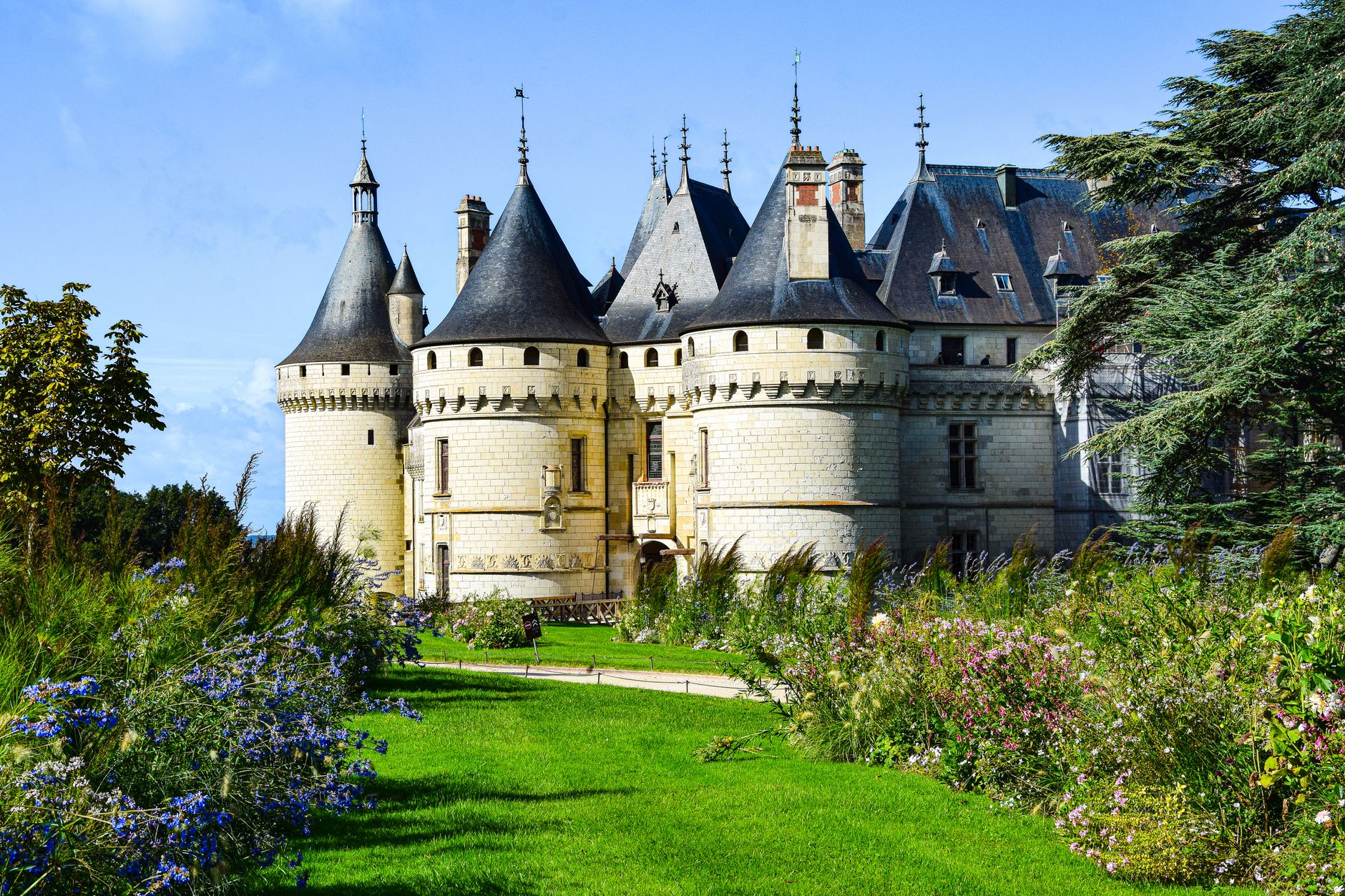
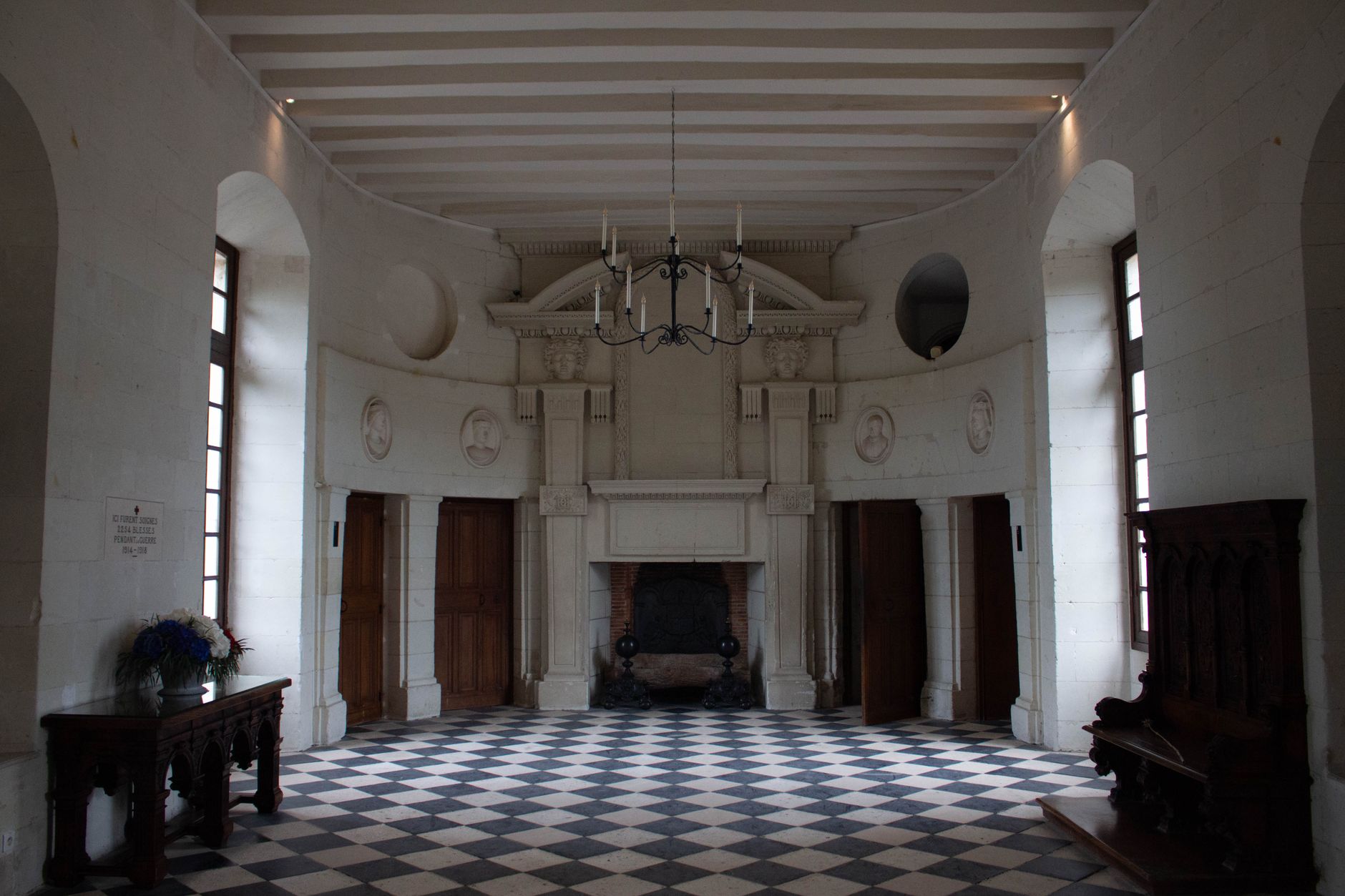
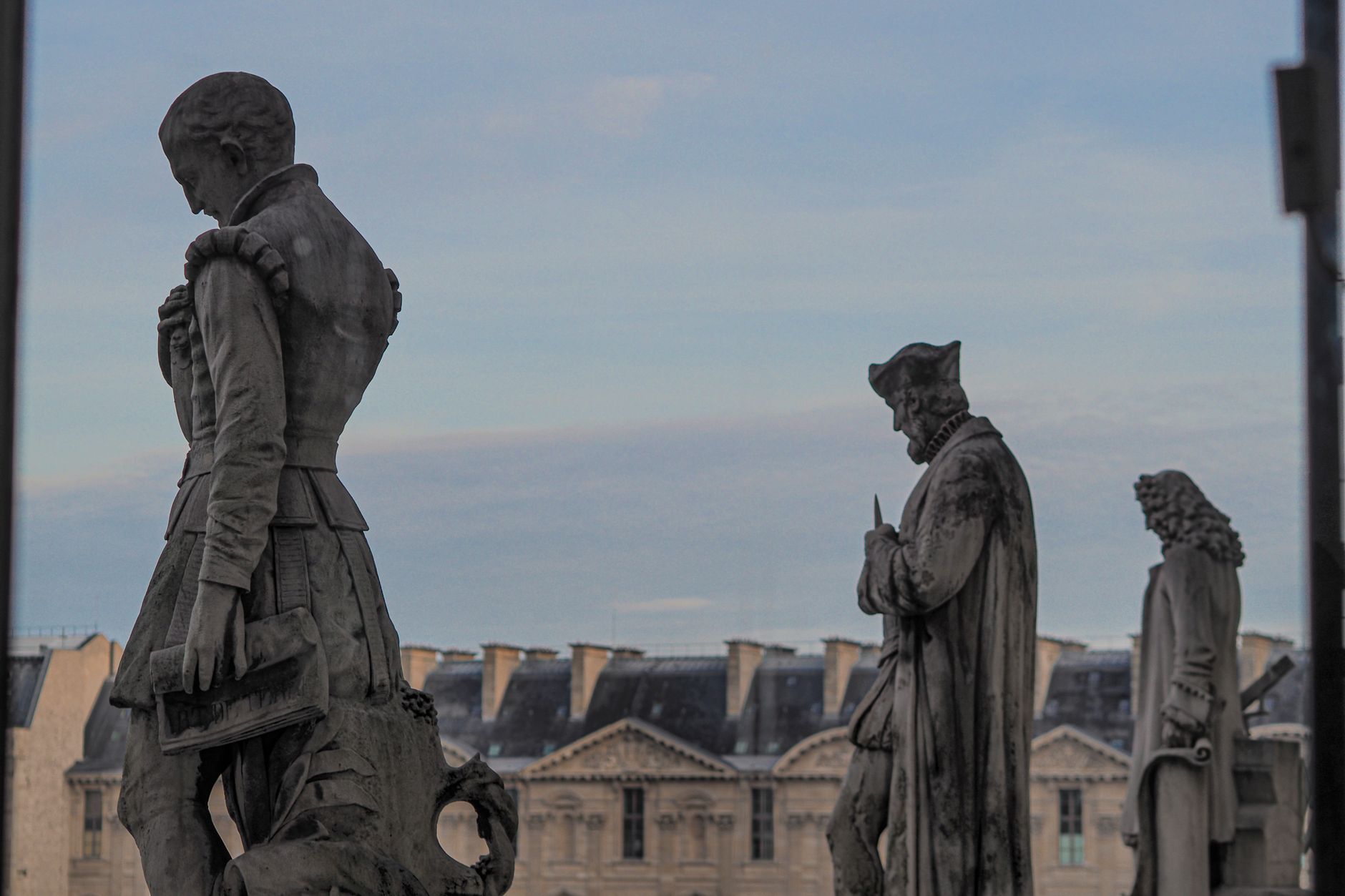
The Viticultural Heritage: Troglodytes and Terroirs
Wine and stone architecture are inextricably linked across the Loire Valley. The white tufa chalk (tuffeau) extracted to build royal residences left hundreds of kilometers of cavernous subterranean quarries. Winemakers quickly realized these constant-temperature troglodyte caves (12°C year-round) offered flawless conditions for aging wine.
The Touraine district centers on two quintessential grape varieties:
- Chenin Blanc: Known locally as 'Pineau de la Loire', this versatile white grape achieves its greatest global expression in the Vouvray and Montlouis-sur-Loire appellations. Chenin yields everything from mineral-driven, razor-sharp dry whites (Sec) and luscious late-harvest dessert wines (Moelleux) to sparkling Crémant de Loire crafted in the traditional champagne method.
- Cabernet Franc: Known historically as 'Breton', this aromatic red variety produces the silky, raspberry- and violet-scented wines of Chinon, Bourgueil, and Saint-Nicolas-de-Bourgueil. Grown on gravel terraces, it delivers youthful, refreshing bistro wines; grown on south-facing limestone slopes, it yields cellar-worthy reds that age gracefully for decades.
Gastronomy of the Royal River
The culinary traditions of the Val de Loire reflect centuries of royal patronage balanced by rustic agricultural abundance. Essential regional specialties to savor in local bistros include:
- Sainte-Maure de Touraine: An iconic cylindrical goat's milk cheese rolled in wood ash with a rye straw running through its center to maintain structural integrity. Pairs impeccably with dry Vouvray.
- Rillettes de Tours: Slow-cooked shredded pork confit gently seasoned and potted in its own savory fat, granted Protected Geographical Indication (PGI) status in 2013.
- Géline de Touraine: A prized heritage black chicken breed celebrated for delicate, finely textured white meat, traditionally poached with morel mushrooms and cream.
- Tarte Tatin: The famed caramelized upside-down apple tart, accidentally invented by the Tatin sisters in Lamotte-Beuvron in the neighboring Sologne region in the 1880s.
Essential Trip Planning Guides
Tickets & Pass'Châteaux →
Complete price matrix, skip-the-line vouchers, and regional pass bundles.
Paris Day Trips →
How to tour Chambord and Chenonceau from Paris in one seamless day.
Wine Tours & Cellars →
Vouvray Chenin Blanc and Chinon Cabernet Franc in troglodyte cave cellars.
Trains & Car Rental →
TGV schedules from Montparnasse, driving rules, and DiscoverCars hire.
Castle Hotels & Bases →
Where to stay: Amboise vs Tours vs Blois, plus authentic château suites.
Rules, Bags & Scams →
Security bag sizes, photography bans, drone laws, and tourist traps.
The Classic 3-Day Loire Valley Itinerary (Self-Drive or Base in Amboise)
For independent travelers spending several days exploring the region, this field-tested 3-day itinerary balances monumental Renaissance architecture, authentic cellar visits, and peaceful garden strolls without highway exhaustion:
Day 1: The Crown Jewels — Chambord & Cheverny
Morning: Arrive at Château de Chambord at 09:00 sharp when the gates open. Explore the double-helix staircase, the royal bedchambers of François I, and the rooftop lantern terrace before tour buses arrive at 11:00. Take an hour to walk along the grand canal or rent a bicycle to view the wild red deer in the forested game reserve.
Lunch: Drive 15 minutes south to the village of Bracieux or Cheverny for fresh goat cheese salads and regional tartes.
Afternoon: Visit the privately owned Château de Cheverny, famed as the inspiration for Marlinspike Hall (Moulinsart) in Hergé's Tintin comics. Tour the exceptionally well-preserved 17th-century interior furnishings, visit the 100-hound hunting dog kennels at feeding time (11:30 or 17:00), and sample Cheverny AOC Cour-Cheverny white wines made from the rare Romorantin grape variety.
Evening: Check into your hotel in Amboise or Blois and dine at a riverside bistro overlooking the illuminated riverbanks.
Day 2: River Romance & Leonardo's Inventions — Chenonceau & Amboise
Morning: Head early to Château de Chenonceau. Tour the Renaissance kitchens built directly into the stone piers in the River Cher, admire paintings by Rubens and Tintoretto in the royal apartments, and stroll through the contrasting formal parterres of Diane de Poitiers and Catherine de' Medici. Rent a rowboat to drift beneath the river arches.
Lunch: Dine at the 16th-century former royal stables inside Chenonceau's grounds or walk into Chenonceaux village for warm baguettes and rillons.
Afternoon: Return to Amboise. Tour Château Royal d'Amboise, climb the horseback Cavalier ramp in the Minimes Tower, and pay respects at Leonardo da Vinci's marble tomb slab inside the Chapel of Saint-Hubert. Stroll 500 meters up Rue Victor Hugo to Château du Clos Lucé to see Leonardo's working invention models and peaceful garden mill.
Evening: Savor a glass of sparkling Vouvray at an open-air cafe on Place Michel Debré beneath the Amboise fortress walls.
Day 3: Botanical Mastery & Troglodyte Wine — Villandry & Chinon
Morning: Drive west to Château de Villandry. Spend 2.5 hours exploring the six tiers of geometric Renaissance gardens, ascending to the forest belvedere terrace for the iconic panoramic photograph of the nine-square ornamental vegetable potager.
Lunch: Enjoy a light lunch featuring fresh garden vegetables at the bistro outside Villandry's gates.
Afternoon: Drive 20 minutes southwest to the medieval town of Chinon. Tour the vast Forteresse Royale de Chinon where Joan of Arc met Charles VII. Afterward, descend into the underground chalk troglodyte caves along the Vienne river for a guided tasting of organic Chinon Cabernet Franc paired with Sainte-Maure de Touraine cheese.
Seasonal Visiting Strategies: When to Travel
Timing your trip dramatically affects crowd levels, weather conditions, and garden aesthetics:
- Spring (April to June): One of the finest seasons. Villandry's gardens burst into fresh green growth, wisteria drapes castle walls, temperatures hover pleasantly around 18°C–22°C (64°F–72°F), and major tour bus crowds have not yet peaked.
- Summer (July and August): The peak high season. Castles host illuminated evening sound-and-light spectacles (Son et Lumière) and nighttime garden walks. However, midday temperatures frequently exceed 32°C (90°F) in open stone courtyards, and lines for Chambord's double staircase swell between 11:30 and 14:00. Book morning tickets or full-day coach excursions well in advance.
- Autumn (September to October): Highly recommended for wine lovers. Grape harvesting (les vendanges) transforms the hillside vineyards into gold and russet foliage. Pleasant daytime highs of 17°C–20°C and thin crowds make this the connoisseur's preferred travel window.
- Winter (November to March): Low season brings quiet intimacy. While garden parterres are dormant, Chenonceau, Chambord, and Amboise celebrate 'Christmas in the Land of Châteaux' (Noël au Pays des Châteaux) throughout December, dressing interiors with roaring open hearth fires and monumental floral installations.
Frequently Asked Questions
A full-day excursion from Paris covers the two flagship châteaux (Chambord and Chenonceau) along with wine tasting. For a comprehensive regional tour that incorporates Amboise, Clos Lucé, Blois, Villandry, and troglodyte cave cellars, budget 3 to 4 full days with a base in Amboise or Tours.
Yes, provided you plan strategically. Take the TGV from Paris to Tours or the regional TER from Paris Austerlitz to Blois or Amboise. Both towns have castles within walking distance of the station. To reach Chambord without a car, use the seasonal shuttle bus (Navette Châteaux Line 2) from Blois. Alternatively, an organized Paris day tour eliminates all public transit connections entirely.
Admission prices are standardized across official ticket desks and verified online resellers. The primary advantage of purchasing online in advance is bypassing the physical ticket booth queues, which can stretch to 30 to 45 minutes during peak summer hours at Chambord and Chenonceau.